Siena, well known for its Palio and beautiful black and white striped Duomo, is a great place to consider for your next vacation. The area was first settled by the Etruscans more than two millenia ago and sacked by the Gauls of present day France, only to be retaken by the Romans around 70 A.D. where it was named
"Saena Julia" and has remained a major town in the region ever since.
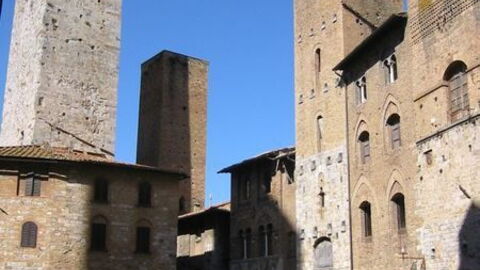
Siena is truly a medieval town. In the city center, traffic is kept to mainly foot traffic, the buildings are all kept in the same style and new buildings have to be designed similarly so there is no garish modern buildings to mar the historic facades of the city. During the Palio, the city is transported back in time and many of the citizens come out in medieval costume and parade through the streets during the events leading up to and including the race itself.
Banners are waved for each section of the city, as they cheer for their horse and rider, all confined within the shell-shaped Piazza del Campo that has been lined with dirt to form the racetrack. If you are lucky enough to find a rental during one of the two Palio's each year you will be treated to experience you will not soon forget.
During the rest of the year, there is still plenty to see, do, eat and enjoy in and around Siena. It is centrally located to many smaller Tuscan hill towns that are well-known destinations, such as Montepulciano or Montalcino (both of which should be visited by any wine lover). Be sure to take a look at our full listing of
Siena Villas.