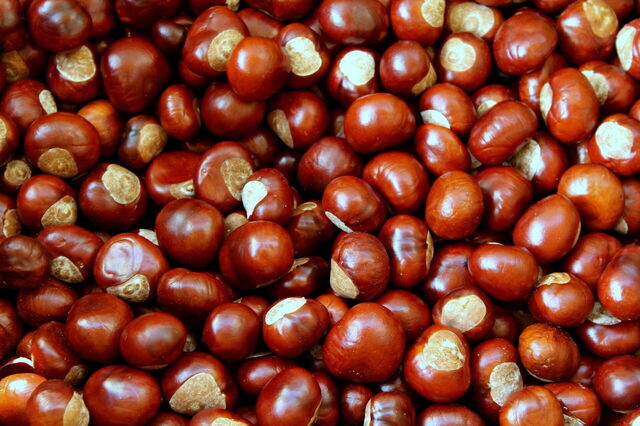
A vacation in Tuscany in fall means taking in the famously beautiful landscapes of the region made even more stunning by the autumnal colours that take over, means bargains as off-season prices kick in after the summer, means smaller queues and fewer crowds, and it means less intensely hot weather. However, one of the best things about travelling in the region through fall is that it is harvest season, which means that there are all sorts of hearty regional dishes to try and all sorts of perfectly fresh and delicious foods and produce to sample. While truffles, apples, and other fruits and vegetables are important to the autumnal cuisine of Tuscany, one of the key ingredients that you will find in all sorts of delicious dishes and desserts come fall is the chestnut.
At their best in October, chestnuts are prepared in quite a wide variety of different ways from roasting to boiling to mashing to being used to make a flour and then turned into various kinds of confections. Grown at an elevation, they are found mostly in mountainous regions such as along the Apuan Alps and the Apennines and in areas such as Lunigiana, Garfagnana, Pistoia, the Casentino, around Marradi, and in the Mugello. However, as big cities such as Florence and Siena are nearby, you'll find chestnut-based goods all over Tuscany in the fall. If you are fond of chestnuts, in particular, or if you just happen to be planning on finding a villa in Tuscany and exploring the foodie delights of the region this autumn then here are some of the must-try chestnut-based dishes that you should add to your culinary bucket list...
At their best in October, chestnuts are prepared in quite a wide variety of different ways from roasting to boiling to mashing to being used to make a flour and then turned into various kinds of confections. Grown at an elevation, they are found mostly in mountainous regions such as along the Apuan Alps and the Apennines and in areas such as Lunigiana, Garfagnana, Pistoia, the Casentino, around Marradi, and in the Mugello. However, as big cities such as Florence and Siena are nearby, you'll find chestnut-based goods all over Tuscany in the fall. If you are fond of chestnuts, in particular, or if you just happen to be planning on finding a villa in Tuscany and exploring the foodie delights of the region this autumn then here are some of the must-try chestnut-based dishes that you should add to your culinary bucket list...
1. Castagnaccio
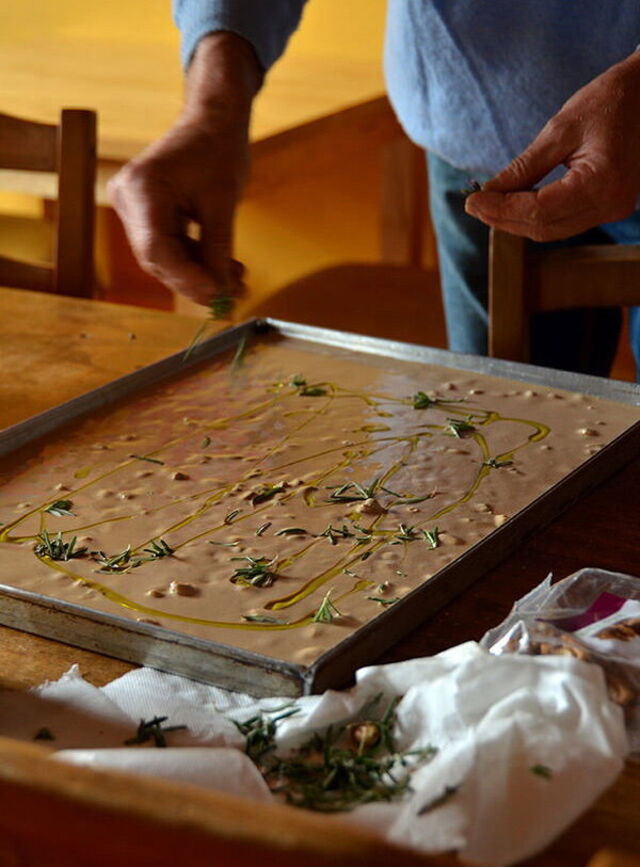
Castagnaccio is a beloved Tuscan dessert, found all throughout the region, that is made from chestnut flour. As a result, it is available widely during the whole year but definitely is a particular must if you are on vacation in Tuscany during the fall and are trying typical chestnut dishes. A flat cake, it is made with only a few ingredients, namely chestnut flour, olive oil, rosemary, pine nuts, and/or walnuts. As chestnut flour is somewhat sweet, very little sugar is added and so this is best for those who don't like their desserts too sweet. Regional names and varieties of the dish include migliaccio, pattona, baldino, toppone, ghirighio, and torta di neccio and there are a range of modern variations of the cake that might be better suited to those with more of a sweet tooth as they add more sugar, milk or chocolate to enrich the flavour. Served with whipped cream or fresh ricotta, castagnaccio and its regional cousins are classic chestnut-based desserts from Tuscany.
Castagnaccio is a beloved Tuscan dessert, found all throughout the region, that is made from chestnut flour. As a result, it is available widely during the whole year but definitely is a particular must if you are on vacation in Tuscany during the fall and are trying typical chestnut dishes. A flat cake, it is made with only a few ingredients, namely chestnut flour, olive oil, rosemary, pine nuts, and/or walnuts. As chestnut flour is somewhat sweet, very little sugar is added and so this is best for those who don't like their desserts too sweet. Regional names and varieties of the dish include migliaccio, pattona, baldino, toppone, ghirighio, and torta di neccio and there are a range of modern variations of the cake that might be better suited to those with more of a sweet tooth as they add more sugar, milk or chocolate to enrich the flavour. Served with whipped cream or fresh ricotta, castagnaccio and its regional cousins are classic chestnut-based desserts from Tuscany.
2. Boiled/roasted chestnuts
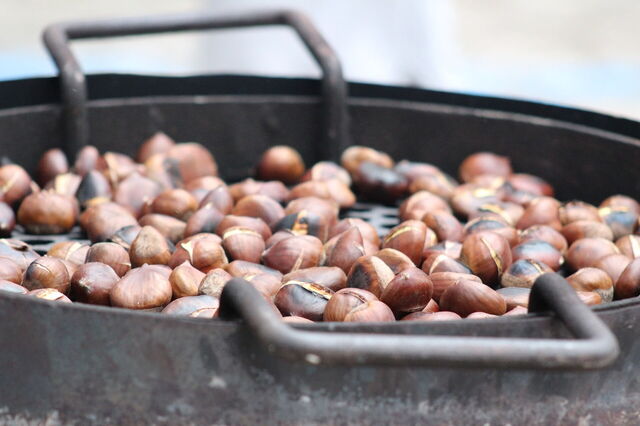
If you're a bit of a purest and like to try ingredients served closer to their original form, then a ballotta (or boiled chestnut) and a caldarrosta (or bruciata or frugiata or roasted chestnut) is a great introduction to this fall staple in Tuscany. Often sold by street vendors in cities like Florence throughout the autumn and winter, a bag of these delicious hot chestnuts makes one immediately feel cosy and like the holidays are just around the corner. The scent of them in the air is utterly evocative of twinkling lights and merriment. The ballotta is also used in puddings or as the base of gelato flavours throughout the fall or cooked in oil with salt and rosemary as a side dish or topping at meals. You'll find plenty of chestnut flavours incorporated into dishes like this in Garfagnana and Mugello. Finally, for a bit of a boozy, sweet, rich experience of chestnuts, seek out bruciate ubriache (or drunk chestnuts), which are made by soaking the roasted chestnuts in grappa or wine, frying them up and serving them sprinkled with sugar.
If you're a bit of a purest and like to try ingredients served closer to their original form, then a ballotta (or boiled chestnut) and a caldarrosta (or bruciata or frugiata or roasted chestnut) is a great introduction to this fall staple in Tuscany. Often sold by street vendors in cities like Florence throughout the autumn and winter, a bag of these delicious hot chestnuts makes one immediately feel cosy and like the holidays are just around the corner. The scent of them in the air is utterly evocative of twinkling lights and merriment. The ballotta is also used in puddings or as the base of gelato flavours throughout the fall or cooked in oil with salt and rosemary as a side dish or topping at meals. You'll find plenty of chestnut flavours incorporated into dishes like this in Garfagnana and Mugello. Finally, for a bit of a boozy, sweet, rich experience of chestnuts, seek out bruciate ubriache (or drunk chestnuts), which are made by soaking the roasted chestnuts in grappa or wine, frying them up and serving them sprinkled with sugar.
3. Pattona/necci
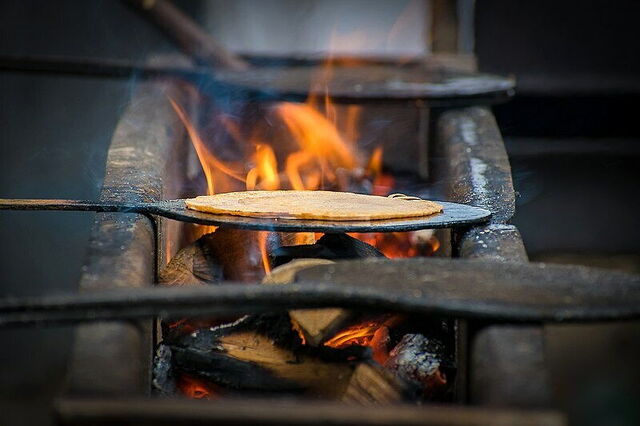
Another hearty and tasty example of chestnuts in Tuscan cuisine is the pattona of Casentino, which is a polenta made of chestnut flour. Also known as necci or polenta di necci in Pistoia, Lunigiana, and Garfagnana or polenta di castagne in Amiata or as sweet polenta in Siena, this soft and warming dish is an excellent fall and winter warmer to keep you full and cosy on brisk evenings as you explore the area on holiday in Tuscany. Necci can also refer to crepes made with chestnut flour in mountainous areas, particularly to the north of Pistoia where there are ski resorts. Cooked as a dough between two cast-iron round plates, it is akin to a crepe, wrap or tortilla and is sometimes served as part of meals but more commonly is a snack filled with savoury and sweet ingredients such as ricotta and Nutella.
4. Other savoury dishes
Like so many other ingredients in Tuscany, chestnuts can also be found in hearty local soups in places like Amiata and Lunigiana and in all sorts of pasta dishes (served in a variety of ways from as a filling in gnocchi around Pistoia to with tagliatelle in Florence).
5. Other desserts
Chestnuts are also used in a variety of other desserts, as well from Abetone's impressive Monte Biano (a, “white mountain,” of pureed chestnuts mixed with sugar, rum, cognac and cocoa powder and served covered with whipped cream and chocolate shavings) to migliaccini (fried dough balls made from chestnut flour and water).
So, if you're considering planning a fall vacation in Tuscany and you're a foodie looking to indulge in some seasonal delights, then keep an eye out for these excellent dishes!
Another hearty and tasty example of chestnuts in Tuscan cuisine is the pattona of Casentino, which is a polenta made of chestnut flour. Also known as necci or polenta di necci in Pistoia, Lunigiana, and Garfagnana or polenta di castagne in Amiata or as sweet polenta in Siena, this soft and warming dish is an excellent fall and winter warmer to keep you full and cosy on brisk evenings as you explore the area on holiday in Tuscany. Necci can also refer to crepes made with chestnut flour in mountainous areas, particularly to the north of Pistoia where there are ski resorts. Cooked as a dough between two cast-iron round plates, it is akin to a crepe, wrap or tortilla and is sometimes served as part of meals but more commonly is a snack filled with savoury and sweet ingredients such as ricotta and Nutella.
4. Other savoury dishes
Like so many other ingredients in Tuscany, chestnuts can also be found in hearty local soups in places like Amiata and Lunigiana and in all sorts of pasta dishes (served in a variety of ways from as a filling in gnocchi around Pistoia to with tagliatelle in Florence).
5. Other desserts
Chestnuts are also used in a variety of other desserts, as well from Abetone's impressive Monte Biano (a, “white mountain,” of pureed chestnuts mixed with sugar, rum, cognac and cocoa powder and served covered with whipped cream and chocolate shavings) to migliaccini (fried dough balls made from chestnut flour and water).
So, if you're considering planning a fall vacation in Tuscany and you're a foodie looking to indulge in some seasonal delights, then keep an eye out for these excellent dishes!
Photo credits
Picture 2: Sara Varlani / CC BY-SA 2.0;
Picture 4: Claudio Minghi / CC BY-SA 4.0
Picture 2: Sara Varlani / CC BY-SA 2.0;
Picture 4: Claudio Minghi / CC BY-SA 4.0