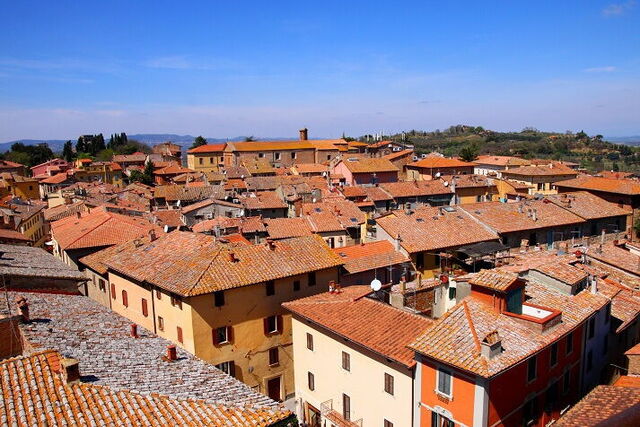
If you’re interested in learning about the history of places you visit on holidays then a trip to the town of Chiusi in the Siena province of Tuscany could offer a very interesting day of discovery for you!
This area was once a very important district of Etruscan civilisation where a powerful king called Porsenna was buried. Visitors wishing to stay here for a few days have plenty of beautiful villas in Chiusi that are located nearby to this site. Porsenna was buried in an elaborate tomb within a complex labyrinth in an Etruscan burial site close to Chiusi.
Legend tells the story of his sarcophagus being laid to rest in a golden carriage guarded by golden statues of twelve horses, a brood hen and five thousand chicks, also made of gold. It is thought that this labyrinth was once part of ancient aqueduct system and dates back as far as 600BC.
This area was once a very important district of Etruscan civilisation where a powerful king called Porsenna was buried. Visitors wishing to stay here for a few days have plenty of beautiful villas in Chiusi that are located nearby to this site. Porsenna was buried in an elaborate tomb within a complex labyrinth in an Etruscan burial site close to Chiusi.
Legend tells the story of his sarcophagus being laid to rest in a golden carriage guarded by golden statues of twelve horses, a brood hen and five thousand chicks, also made of gold. It is thought that this labyrinth was once part of ancient aqueduct system and dates back as far as 600BC.
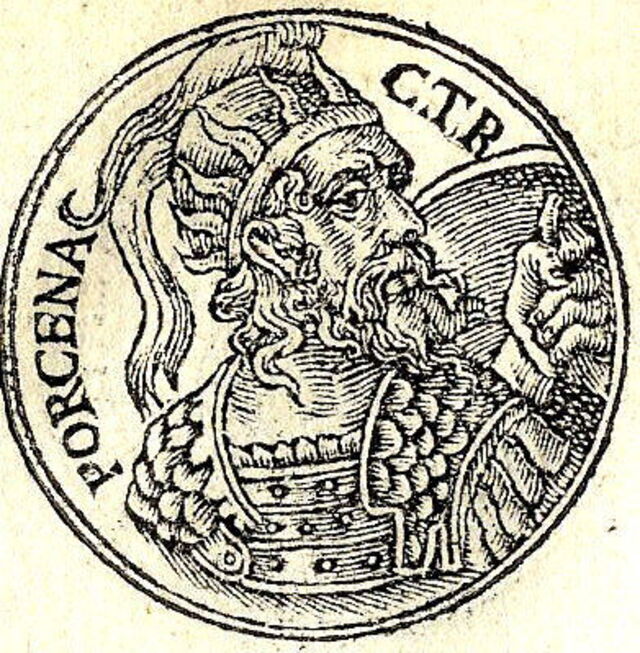
A tour around the Museo della Cattedrale in Chiusi town has a wonderful display of information that explains the history of Etruscan settlements here and about the life and death of Porsenna. It even connects to an underground network of tunnels that lead past an old Etruscan cistern under the town and through the labyrinth.
Tourists that wish to explore this curious underground world can do so under the guidance of an expert historian who will bring to life the intriguing stories that weave through the town’s history, both above and under the ground. It’s possible to climb back up to ground level through the town’s bell tower.
Tourists that wish to explore this curious underground world can do so under the guidance of an expert historian who will bring to life the intriguing stories that weave through the town’s history, both above and under the ground. It’s possible to climb back up to ground level through the town’s bell tower.
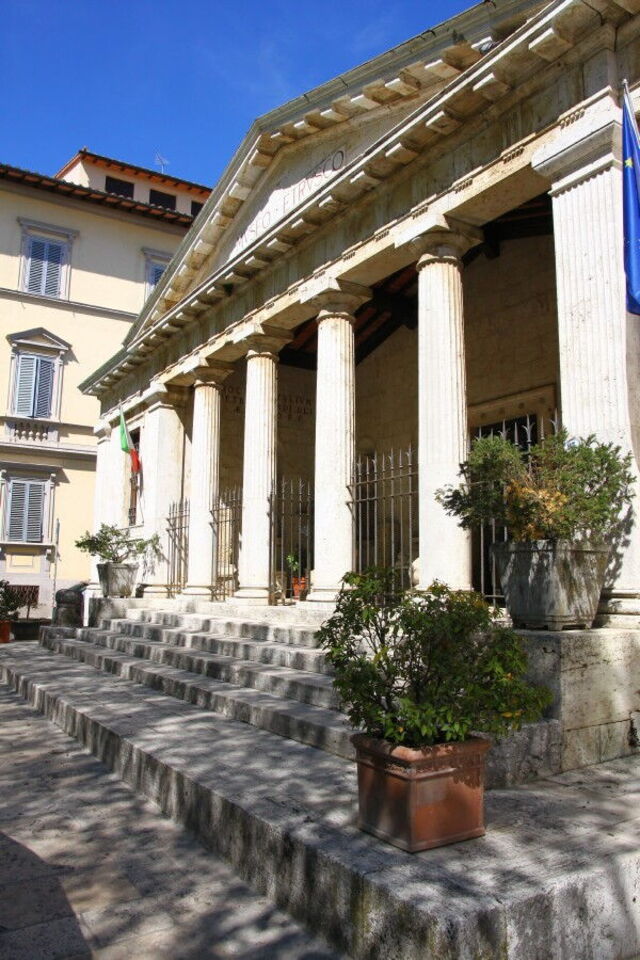
The museum also houses fascinating artefacts that were discovered during archaeological digs in the area as well as some beautiful paintings and old ornaments from nearby churches.
This interesting tourist attraction is open all year and the cost of walking around the museum and touring around the underground network of tunnels costs only €4.
While you're here, it’s highly recommended that you visit the magnificent Cathedral of San Secondiano; a masterpiece of architecture which houses some stunning examples of Renaissance paintings and sculptures.
Read through some of our related articles on the many things to do in Valdichiana where the town of Chiusi is located, as well as learning more about the history of other Etruscan settlements and necropolises. A visit to this historical labyrinth is sure to enrich your Tuscan holiday experience!
This interesting tourist attraction is open all year and the cost of walking around the museum and touring around the underground network of tunnels costs only €4.
While you're here, it’s highly recommended that you visit the magnificent Cathedral of San Secondiano; a masterpiece of architecture which houses some stunning examples of Renaissance paintings and sculptures.
Read through some of our related articles on the many things to do in Valdichiana where the town of Chiusi is located, as well as learning more about the history of other Etruscan settlements and necropolises. A visit to this historical labyrinth is sure to enrich your Tuscan holiday experience!
Photo credits
picture 1: Prof.Quatermass / CC BY-SA 3.0;
picture 3: Prof.Quatermass / CC BY-SA 3.0
picture 1: Prof.Quatermass / CC BY-SA 3.0;
picture 3: Prof.Quatermass / CC BY-SA 3.0