If you like to learn about the history of places you holiday to then perhaps a relaxing stay at one of many vacation rentals in Tuscany would be the perfect base for your enlightening stay?
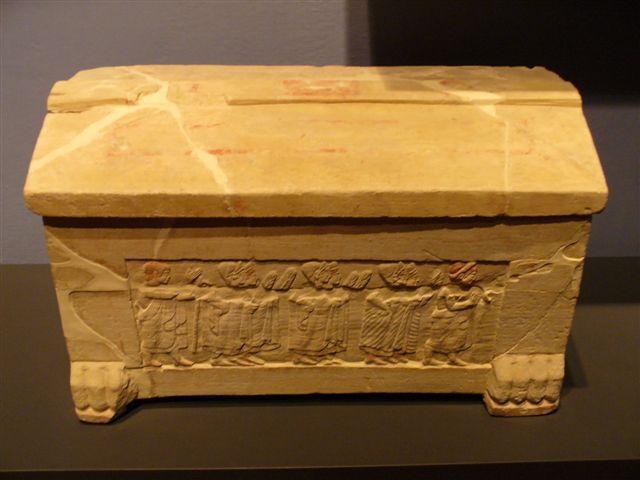
Tuscany got its name from an ancient civilisation called the Etruscans who lived and thrived in this region between 800BC AND 390 BC. Although we don’t have many written accounts of the Etruscan civilisation, we’re lucky that they left so many clues behind them in the form of murals, pottery, metal artefacts and buildings to help us piece together how they lived. Tuscany has great many museums dedicated to the ancient Etruscan people; here are a few of the most popular.
The ‘Museo dell’ Accademia Etrusca' in Cortona is home to many ornate Etruscan treasures. It has a beautiful mural called ‘Musa Polimnia’ and includes most of the discoveries found at a tomb in nearby Sodo. One of the few bronze tablets left bearing one of the longest inscriptions in the ancient Etruscan language can also be admired here. There were also three significant tombs discovered here, one of which revealed a grand alter with a sphinx themed stairway leading up to the ‘Melone II’ tumulus. They also discovered a beautiful Etruscan oil lamp chandelier here.
Tuscany got its name from an ancient civilisation called the Etruscans who lived and thrived in this region between 800BC AND 390 BC. Although we don’t have many written accounts of the Etruscan civilisation, we’re lucky that they left so many clues behind them in the form of murals, pottery, metal artefacts and buildings to help us piece together how they lived. Tuscany has great many museums dedicated to the ancient Etruscan people; here are a few of the most popular.
The ‘Museo dell’ Accademia Etrusca' in Cortona is home to many ornate Etruscan treasures. It has a beautiful mural called ‘Musa Polimnia’ and includes most of the discoveries found at a tomb in nearby Sodo. One of the few bronze tablets left bearing one of the longest inscriptions in the ancient Etruscan language can also be admired here. There were also three significant tombs discovered here, one of which revealed a grand alter with a sphinx themed stairway leading up to the ‘Melone II’ tumulus. They also discovered a beautiful Etruscan oil lamp chandelier here.
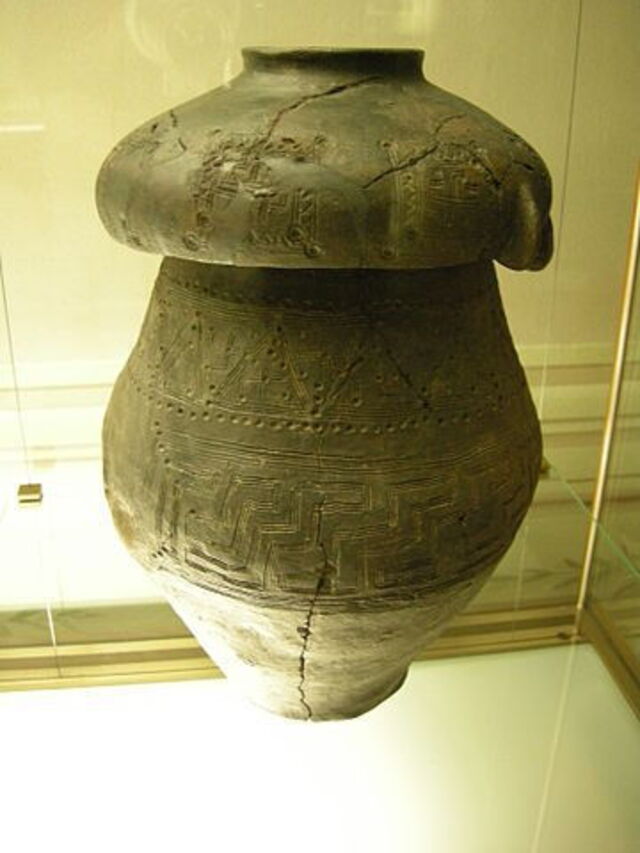
The ‘Museo Archaeologico Nazionale’ at Chiusi has a wonderful collection of special Etruscan made pottery called ‘Bucchero’ which was dark in colour and looked almost like metal. It also hosts a lot of interesting artefacts from the nearby ‘Tomba della Scimmia’. Within the tomb itself are many paintings made by the ancient Etruscans which can give the visitor a glimpse of their burial customs and beliefs. Archaeologists even discovered a ‘Sella Caccatoia’ which was an ancient potty for toddlers and it can also be seen in this museum. Tourists can also explore ancient Etruscan aqueduct systems built in Chuisi; many historians believe that it was the Etruscans who showed the Romans how to construct complex water systems!
The ‘Medici Villa Artimino’ situated in a Medici villa basement in the province of Prato has a wealth of evidence of how these fascinating people lived, sought from the ruins of the ancient Etruscan city, Gonfienti. Many pieces of exquisite jewellery and decorative ornaments were discovered here and now reside in the museum.
The ‘Medici Villa Artimino’ situated in a Medici villa basement in the province of Prato has a wealth of evidence of how these fascinating people lived, sought from the ruins of the ancient Etruscan city, Gonfienti. Many pieces of exquisite jewellery and decorative ornaments were discovered here and now reside in the museum.
The Museo Guarnacci in the city of Volterra is home to a lot of grand metal artefacts due to the rich source of iron in these parts. Leading into the city, the visitor will be greeted by the arched ‘Porta all’ Arco’ gate which is topped with worn basalt heads of the gods that the Etruscans believed would protect them from invasion. There are a lot of urns here and a striking tall bronze figure with a young boy’s head known as ‘Ombra della Sera’. It’s thought that this may have been an Etruscan fertility object which was plunged into the ground and used in rituals to pray for the birth of a boy to an expecting mother.
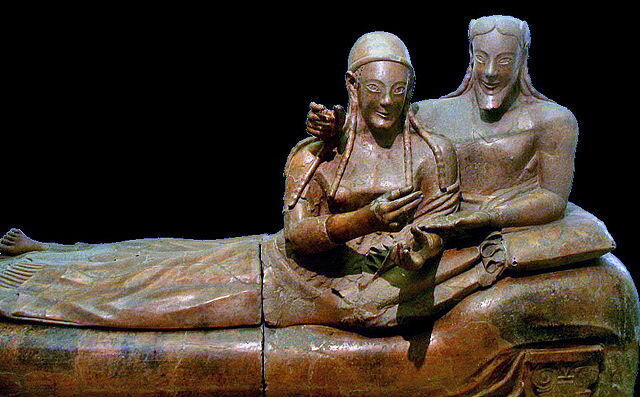
There’s also a spectacularly decorated funeral urn of an Etruscan couple called ‘Urna degli sposi’. Etruscan men valued their wives and treated them as equals, in life and in death. This was another custom which the Romans thought distasteful; they couldn’t understand how the Etruscan men didn’t see themselves as superior to their female partners.
This magnificent museum is open from March 16th until November second, every day from 9am until 5pm and November 3rd to March 15th from 8.30am until 1.30pm. It closes only on December 25th and January 1st. Prices range from €8 for adults, €5 for students, pensioners and groups of twenty or more and only €18 for families (Parents and young children)
A superb museum in Arezzo houses a lot of remains discovered in the ruins of the ancient Etruscan city called ‘Arretium’; especially a type of pottery called Corallino which was famous because of its red colour and waxy texture.
A small museum in Populonia is home to many metal objects discovered in this area and gives the visitor a lot of interesting information about the many Etruscan ‘tumuli’ and other grave sites leading up to Populonia’s head land.
There’s also a spectacularly decorated funeral urn of an Etruscan couple called ‘Urna degli sposi’. Etruscan men valued their wives and treated them as equals, in life and in death. This was another custom which the Romans thought distasteful; they couldn’t understand how the Etruscan men didn’t see themselves as superior to their female partners.
This magnificent museum is open from March 16th until November second, every day from 9am until 5pm and November 3rd to March 15th from 8.30am until 1.30pm. It closes only on December 25th and January 1st. Prices range from €8 for adults, €5 for students, pensioners and groups of twenty or more and only €18 for families (Parents and young children)
A superb museum in Arezzo houses a lot of remains discovered in the ruins of the ancient Etruscan city called ‘Arretium’; especially a type of pottery called Corallino which was famous because of its red colour and waxy texture.
A small museum in Populonia is home to many metal objects discovered in this area and gives the visitor a lot of interesting information about the many Etruscan ‘tumuli’ and other grave sites leading up to Populonia’s head land.
Photo credits
picture 1: Kurpfalzbilder.de / CC BY 2.0;
picture 3: Sailko / CC BY-SA;
picture 2: nl:Gebruiker:GerardM / CC BY-SA
picture 1: Kurpfalzbilder.de / CC BY 2.0;
picture 3: Sailko / CC BY-SA;
picture 2: nl:Gebruiker:GerardM / CC BY-SA