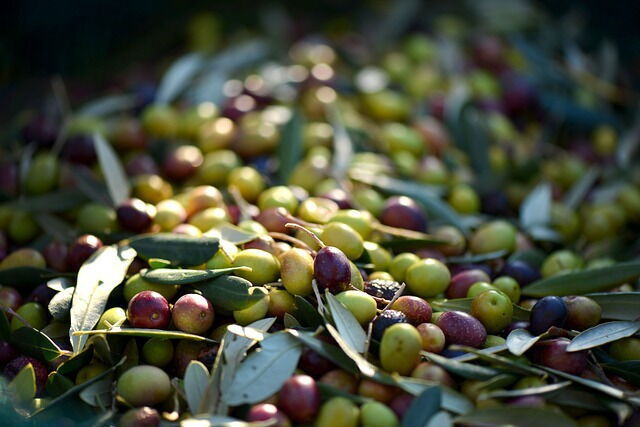
One of Italy’s most delicious and widely exported products is of course, olive oil. The trees on which olives are grown are modest in appearance but they have been the staple food of Mediterranean countries for millennia.
High quality olive production is treated with almost a godlike reverence, especially in Tuscany where tourists are likely to see olive groves no matter what direction they look at in the countryside! For those who would like to witness the care and love that this delicious fruit receives, a trip to anywhere around some Tuscan country towns would be the perfect viewing point.
Visit and perhaps stay a few nights in a charming holiday villa in towns like Poppi, Bibbiena and Fiesole where you can relax and enjoy the cultural delights they have to offer.
High quality olive production is treated with almost a godlike reverence, especially in Tuscany where tourists are likely to see olive groves no matter what direction they look at in the countryside! For those who would like to witness the care and love that this delicious fruit receives, a trip to anywhere around some Tuscan country towns would be the perfect viewing point.
Visit and perhaps stay a few nights in a charming holiday villa in towns like Poppi, Bibbiena and Fiesole where you can relax and enjoy the cultural delights they have to offer.
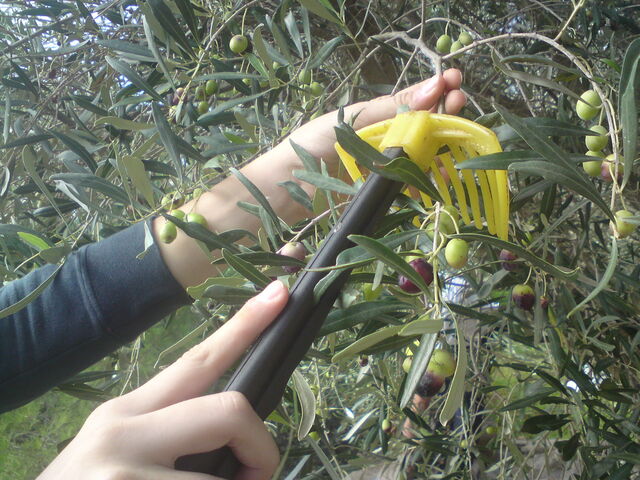
Olives and the delicious oil they produce is a symbol of health and vitality in Tuscany. They are grown all over the Mediterranean and much further afield because of their adaptability and preference for a mild but warm climate. These simple short trees can even live for over a thousand years and bear fruit for at least a few centuries!
They first originated in a land that now is called Turkey and today, there are over five hundred varieties for visitors to try along their travels. Italy is the second largest producer of olive oil and many of Tuscany’s biggest olive farms still prefer to harvest the fruit by hand to ensure they are handled carefully.
A popular method of gathering olives from trees as quickly as possible is for a few people to hold a net under the tree while someone climbs a ladder and carefully picks the olives and lets them drop down to a cushioned landing.
They first originated in a land that now is called Turkey and today, there are over five hundred varieties for visitors to try along their travels. Italy is the second largest producer of olive oil and many of Tuscany’s biggest olive farms still prefer to harvest the fruit by hand to ensure they are handled carefully.
A popular method of gathering olives from trees as quickly as possible is for a few people to hold a net under the tree while someone climbs a ladder and carefully picks the olives and lets them drop down to a cushioned landing.
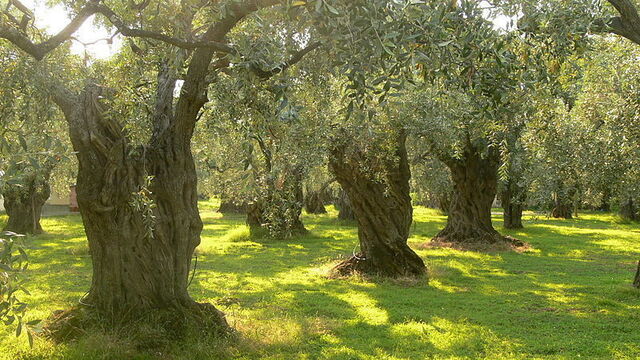
Most olives are picked before the cooler days of autumn set in. Both green and black olives are picked at this time because a perfect blend of the two makes the most flavourful oil.
Families who lived in the countryside and have a bit of land often grow their own olive trees which they harvest every year to produce their own branded stock for the year.
Communities are often very kind in helping each other to make their quotas for the oil press and sometimes even tourists flood into these areas and offer their services for free (provided they obtain proper work insurance first). They are just happy to be participating in this exciting activity and are often rewarded with a delicious lunch served up by the host farm.
Read our related article on the subsequent processes that olives must go to produce the richly coloured olive oil that Tuscan people endearingly call ‘green gold’!
Families who lived in the countryside and have a bit of land often grow their own olive trees which they harvest every year to produce their own branded stock for the year.
Communities are often very kind in helping each other to make their quotas for the oil press and sometimes even tourists flood into these areas and offer their services for free (provided they obtain proper work insurance first). They are just happy to be participating in this exciting activity and are often rewarded with a delicious lunch served up by the host farm.
Read our related article on the subsequent processes that olives must go to produce the richly coloured olive oil that Tuscan people endearingly call ‘green gold’!
Photo credits
picture 3: Petr Pakandl / CC BY-SA 2.5
picture 3: Petr Pakandl / CC BY-SA 2.5