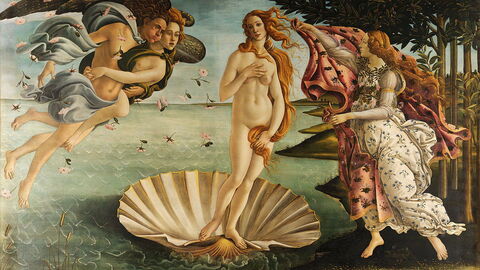
The Birth of Venus
Posted in: Florence History Localities Museums & Galleries Renaissance Tourist Attractions
If you have found a luxury villa in Florence and are planning to take in the art and culture for which the city is so famous, you have, no doubt, pencilled in a visit to the Uffizi Gallery. The Uffizi Gallery, or Galleria degli Uffizi, in Piazza della Signoria is one of the oldest and most famous art museums in Europe and the world and was originally begun under Vasari for Cosimo I de' Medici in 1560. The name comes from the Italian word for “offices” which is what the building was intended to house when it was first constructed.
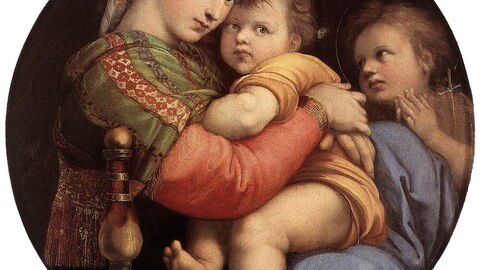
Raphael, Madonna della Seggiola
Posted in: Florence Localities Museums & Galleries Must See Attractions Tourist Attractions
The Palatine Gallery is located in the incredible and stunning Palazzo Pitti in Florence and is a private royal collection that was opened to the public by the House of Lorraine in 1828.

Today it still retains that typical layout of a private collection and is set within the elaborate and sumptuous setting of the palace, with the works remaining in their original rich picture frames.

It also has not be reorganised, as most such galleries and collections are, into any sort of thematic or chronological order. It, instead, merely reflects the tastes and whims of the people who originally formed the collection over time.

As a result, a visit to this gallery is a very different experience than most other museums around the world will offer. It is also quite refreshing. Instead of feeling as though you need to be on your toes and keeping history and progress firmly unwind, you can merely relax and enjoy the collection as it unfolds. The collection invites us to enjoy, rather than merely categorise and label things. Just find a vacation rental in Florence and you can experience this unique gallery for yourself on your next trip to the city.
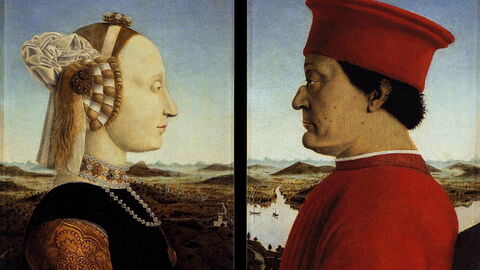
One of the most popular works by Piero della Francesca
Posted in: Localities Museums & Galleries Must See Attractions Small Towns Tourist Attractions
Ivan Bruschi was an internationally famous antique collector from Arezzo whose last wish was to establish a foundation to spread the love of art, antiques and culture. His wish was granted and the Bruschi Foundation has since become a hugely important patron of culture in Arezzo.

One of the greatest feats of the foundation was the establishment of the House-Museum of Ivan Bruschi which houses Bruschi's personal collection, set within the 13th-century Palazzo del Capitano del Popolo located in the heart of Arezzo.
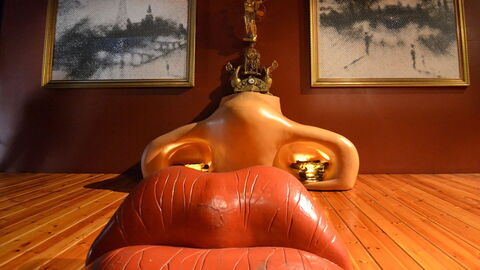
A view of the Dali Museum
Posted in: December Events February January Localities Museums & Galleries Pisa Tourist Attractions
Salvador Domingo Felipe Jacinto Dalí i Domènech, Marqués de Dalí de Púbol, known as Salvador Dalí, was a prominent Spanish surrealist painter born in Figueres, Catalonia in Spain and is one of the most famous artists of all time. Having some of his work on display is always a bonus at a gallery or museum that is sure to draw crowds.

A certain museum in Tuscany, meanwhile, is putting on an exhibition that is a must for any and all Dalí fans who have found a luxury villa in Pisa.

The Palazzo Blu will host “Dalí. Il Sogno del Classico” (“Dalí – The Dream of the Classics”) from the 1st of October 2016 until the 5th of February 2017, Monday to Friday 10am - 7pm and Saturday to Sunday 10am – 8pm.
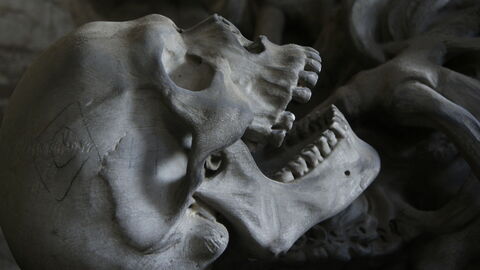
Skull
Posted in: Localities Museums & Galleries Pisa Tourist Attractions
Once you have found the perfect luxury villa in Pisa and are planning your next visit, you will probably do some research into things to see and do while you are there.

In a city with such a famous and iconic monument, other sights and attractions can sometimes get overlooked. Such attractions are devoid of the long lines and crowds of tourists and allow you to have a completely different experience of the city to the one that most people.

One attraction that is a perfect example of this is the Museum of Human Anatomy, which is housed in the Medical School of Pisa. Pisa was one of the first university towns to be provided with an anatomy school and began with the support of Cosimo I dei Medici, who had an anatomical theatre built in the Via della Sapienza.