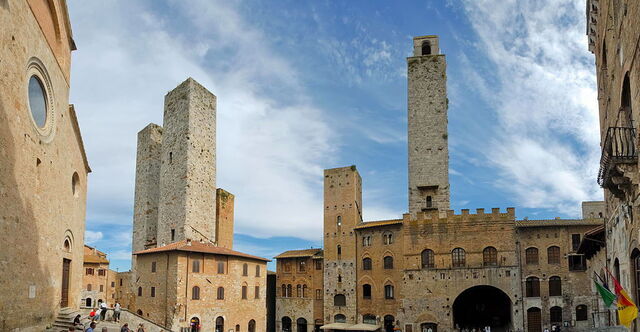
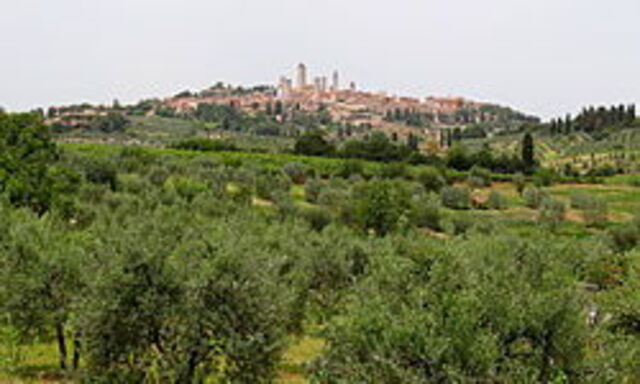
San Gimignano is a walled medieval hill town in the province of Siena in Tuscany. It is most well known for its many medieval tower houses, historic city centre and the white wine, Vernaccia di San Gimignano. Picturesque, historic and quaint, it's probably the last place one would imagine hosts a Medieval Torture Museum. However, the museum is not merely a grisly and macabre tourist attraction but also an educational tool used to inform visitors about contemporary human rights abuses.
Certainly a unique outing idea for any tourists in the town, it combines historic interest with modern awareness in a captivating and fascinating manner. If you were thinking about visiting Tuscany this summer, why not find a luxury villa in Siena and stop by the museum?
The museum aims to combat violence by showing how human beings have been tortured throughout the centuries. The exhibitions not only show dark passages from history but also serve as reminders that torture still exists in different forms today. They remind us not to be complacent from comfortable, privileged positions in the world today.
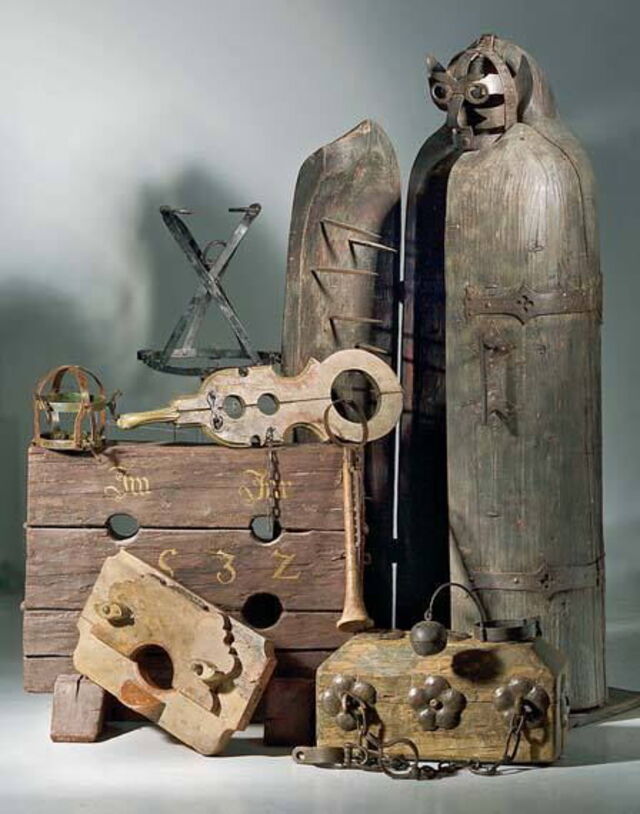
Devices held in the museum include the Maiden of Nuremberg, more well-known as an Iron Maiden. This is a huge coffin-like box with a swinging door, lined with metallic spikes on the interior. The walls of the chamber are incredibly thick, allowing no screams to penetrate once the door is closed. Victims were left inside to be stabbed repeatedly for hours or, even, days. Another memorable device is a torture chair with more than a thousand spikes, that were kept sharp and burning hot.
The museum aims to combat violence by showing how human beings have been tortured throughout the centuries. The exhibitions not only show dark passages from history but also serve as reminders that torture still exists in different forms today. They remind us not to be complacent from comfortable, privileged positions in the world today.
Devices held in the museum include the Maiden of Nuremberg, more well-known as an Iron Maiden. This is a huge coffin-like box with a swinging door, lined with metallic spikes on the interior. The walls of the chamber are incredibly thick, allowing no screams to penetrate once the door is closed. Victims were left inside to be stabbed repeatedly for hours or, even, days. Another memorable device is a torture chair with more than a thousand spikes, that were kept sharp and burning hot.
Other items seem less vicious such as the Masks of Infamy which, generally, were just embarrassing masks that the wearer could not remove on their own. However, this was often paired with physical torture and public ridicule to make it, suddenly, a whole lot more insidious.
Located on Via del Castello, in the historic centre of the town, the museum is open from 10am to 7pm daily with entry costing €12 for adults and €7 for children and students.
The best part, of course, is that after you are horrified and informed by what is inside, you get to walk back out into the charming streets of San Gimignano and go get ice-cream or, maybe, a strong drink! Probably not for the faint of heart or those who are very young, this is still an interesting and informative museum and something a little different. Be sure to stop by if you are in the Siena area!
Located on Via del Castello, in the historic centre of the town, the museum is open from 10am to 7pm daily with entry costing €12 for adults and €7 for children and students.
The best part, of course, is that after you are horrified and informed by what is inside, you get to walk back out into the charming streets of San Gimignano and go get ice-cream or, maybe, a strong drink! Probably not for the faint of heart or those who are very young, this is still an interesting and informative museum and something a little different. Be sure to stop by if you are in the Siena area!
Photo credits
picture 1: Mihael Grmek / CC BY-SA 3.0;
picture 2: epbechthold / CC BY-SA 3.0;
picture 3: Bjørn Christian Tørrissen / CC BY-SA 3.0;
picture 1: Mihael Grmek / CC BY-SA 3.0;
picture 2: epbechthold / CC BY-SA 3.0;
picture 3: Bjørn Christian Tørrissen / CC BY-SA 3.0;