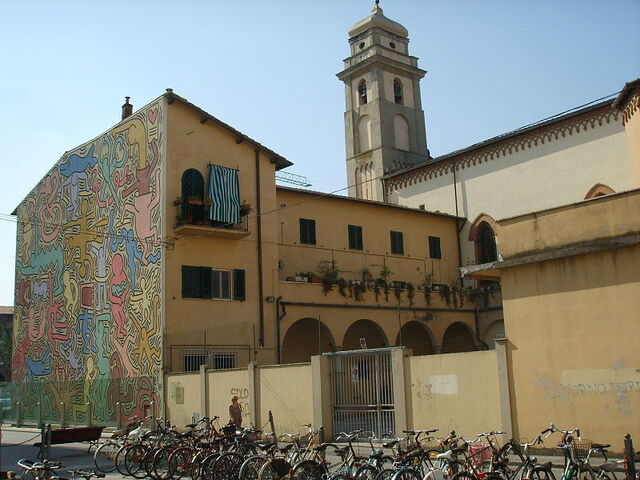
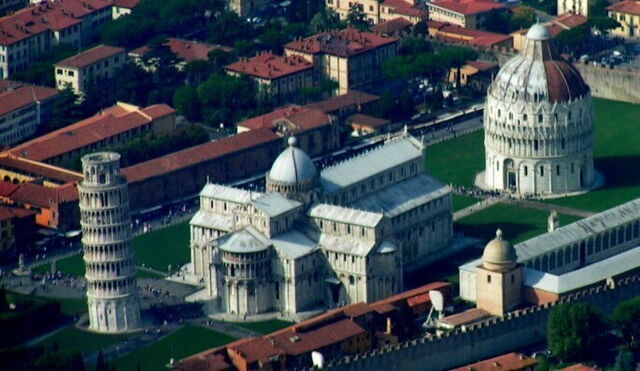
Art and Italy are somewhat synonymous. Those two words so close to each other bring to mind works from the distant past; Ancient sites, Medieval frescoes, Renaissance sculpture, Baroque church interiors. Yet the story of art in Italy did not end with the burgeoning of the Modern era. In fact, clues to her enduring connection to art are sometimes out in the open. It is, of course, Keith Haring's “Tuttomondo” mural that I have in mind. Located in the Tuscan town of Pisa near the station in Piazza Vittorio Emanuele, it is overshadowed by the looming, leaning legend of the Tower and less well-known but worth visiting. In fact, why not find a luxury villa in Pisa and see Haring's last public work for yourself?
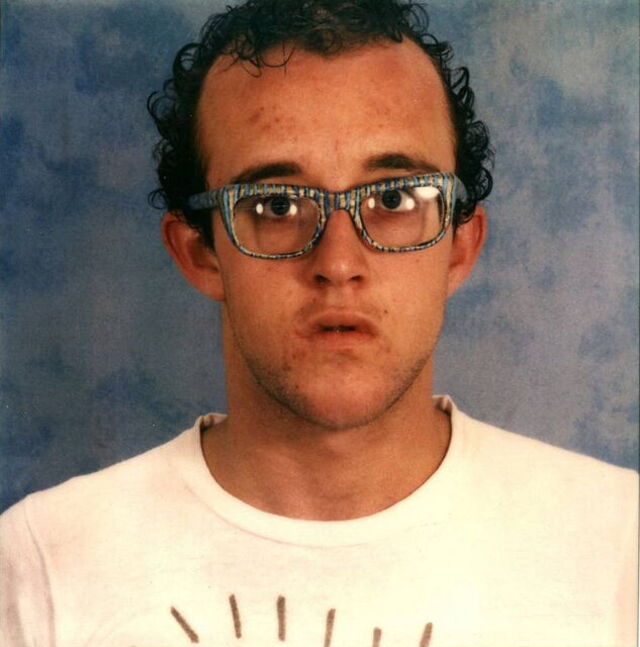
Yes, indeed, this is his last public work. Painted in 1989, the artist died prematurely in 1990. Haring was an American artist who first gained renown with his “Subway Drawings”.
These works, quickly made and ephemeral, “anti-culture”, shook up the traditional gallery system. Graffiti and street artists became increasingly important and influential throughout the nineties and Haring was their poster boy.
His aim was to create works that could be easily read, universal in their graphic simplicity. Symbols replace words and language in his works which means that the work of an American still resonates with its Italian audience. An opportunistic and fortuitous meeting with a Pisan student in New York eventually led to the creation of the mural in Pisa.
These works, quickly made and ephemeral, “anti-culture”, shook up the traditional gallery system. Graffiti and street artists became increasingly important and influential throughout the nineties and Haring was their poster boy.
His aim was to create works that could be easily read, universal in their graphic simplicity. Symbols replace words and language in his works which means that the work of an American still resonates with its Italian audience. An opportunistic and fortuitous meeting with a Pisan student in New York eventually led to the creation of the mural in Pisa.
The work was executed when Haring was already beginning to fall sick due to HIV-related complications but was produced in collaboration with the students of Caparol Center, the suppliers of the acrylic tempera paint, underlining its ideas of togetherness.
The theme of the work is of peace and harmony in the world and this is expressed in the thirty interconnected and divided colourful and characteristically Haring figures.
Painted on the side of the old convent of S. Antonio, it sees a merging of past and present but is also an interesting coming together of a catholic building with the work of a gay HIV-positive artist.
Now protected, you can stop by to see it whenever you wish. The Keith Café across the road serves as the perfect place to sit, grab a bite and examine the work more closely. The perfect thing to do in Pisa to take a break from the tourist circuit.
The theme of the work is of peace and harmony in the world and this is expressed in the thirty interconnected and divided colourful and characteristically Haring figures.
Painted on the side of the old convent of S. Antonio, it sees a merging of past and present but is also an interesting coming together of a catholic building with the work of a gay HIV-positive artist.
Now protected, you can stop by to see it whenever you wish. The Keith Café across the road serves as the perfect place to sit, grab a bite and examine the work more closely. The perfect thing to do in Pisa to take a break from the tourist circuit.
Photo credits
picture 1: Sailko / CC BY 2.5;
picture 2: Fort Greene Focus / CC BY-ND 2.0
picture 1: Sailko / CC BY 2.5;
picture 2: Fort Greene Focus / CC BY-ND 2.0